Nobody tells you this before your first furniture purchase, so you find out the hard way — usually about eight months in, when a table that looked perfectly sturdy in the store starts to wobble, or a corner starts to look slightly swollen after monsoon season. Let's talk about why that happens, and why it isn't bad luck.
What "Engineered Wood" Actually Means
Most affordable furniture today isn't solid wood — it's particleboard or MDF (compressed wood fibers and resin) with a laminate or veneer finish that makes it look like wood, or sometimes like metal. It's not automatically bad; it's genuinely fine for low-stress, low-moisture furniture. The problem is that it's often used for pieces that take real daily weight and handling — side tables, TV units, anything near a kitchen or a monsoon-prone window — where it was never really designed to hold up.
Why It Fails the Way It Does
Particleboard's weak point is moisture and repeated stress at the joints. India's humidity swings — especially through monsoon — are genuinely harder on this material than most climates. Screws that once held tight in dry compressed board start to loosen once the board itself has absorbed even a little moisture and softened at the edges. That's the wobble you didn't cause by using the table "wrong" — it was the material meeting its actual limit.
Where Solid Metal Is Genuinely Different
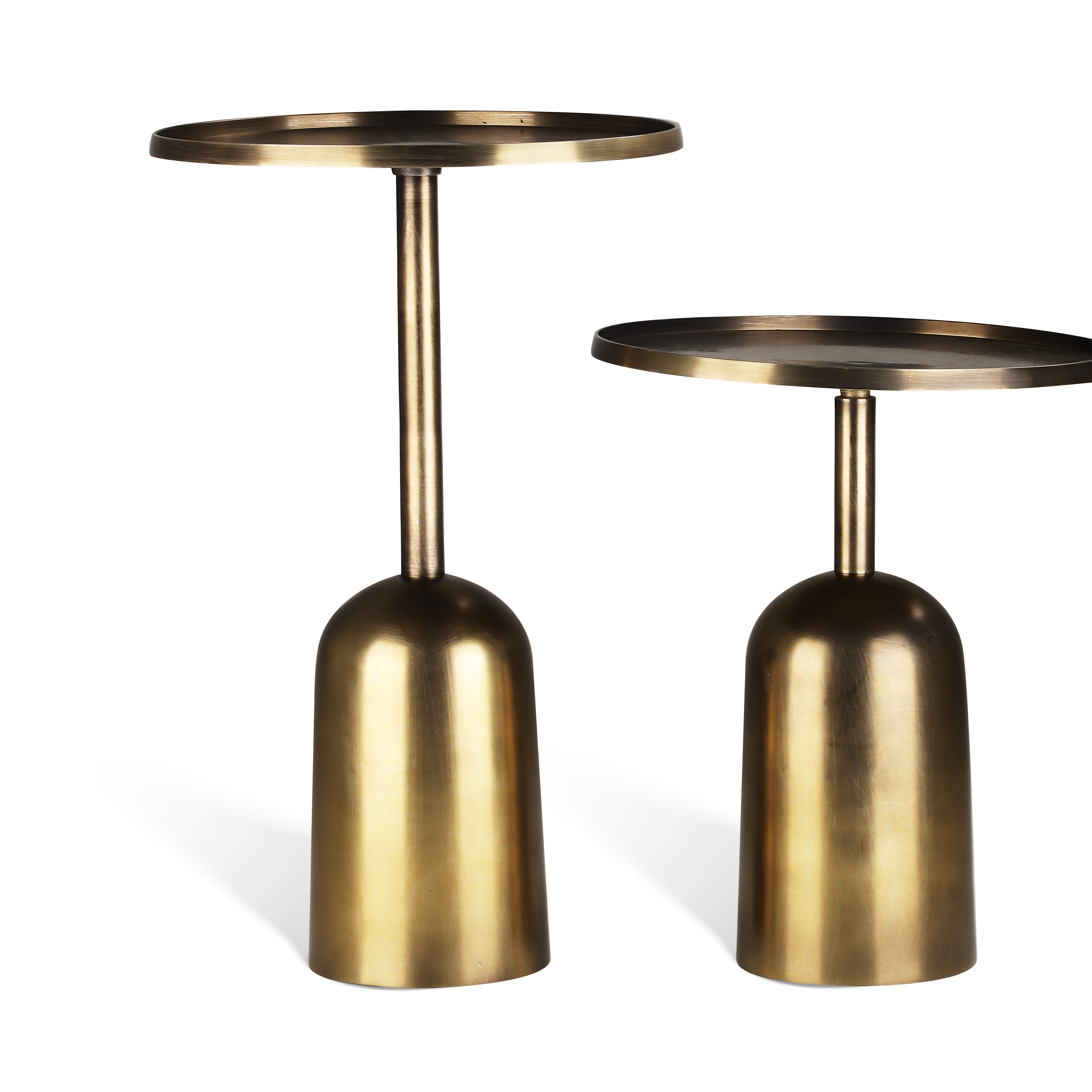
Solid metal furniture doesn't have this failure mode at all. It doesn't absorb moisture, doesn't swell, and the joints — typically welded rather than screwed into compressed board — don't loosen the same way over time. This isn't a marketing claim, it's just a different material with different physics. A solid metal frame that's sturdy on day one is very likely still sturdy on day one thousand.
So Why Doesn't Everyone Just Buy Metal?
Cost, mostly, and sometimes weight — metal furniture is genuinely heavier to ship, which is part of why a lot of budget furniture brands avoid it. But the honest math is worth doing: a particleboard side table you replace twice in five years often costs more, in total, than one solid metal piece that just... doesn't need replacing.
How to Actually Tell the Difference Before You Buy
Online, you often can't see or touch the material directly, so here's what to actually check: look for the word "solid metal" or "iron frame" specifically in the description, not just "metal finish" or "metallic," which can describe a paint color on an entirely different base material. Check the listed weight — a genuinely solid metal side table is noticeably heavier than a particleboard one of the same size. And when in doubt, ask the brand directly — a real answer about construction is a good sign; vague marketing language back is a warning sign.
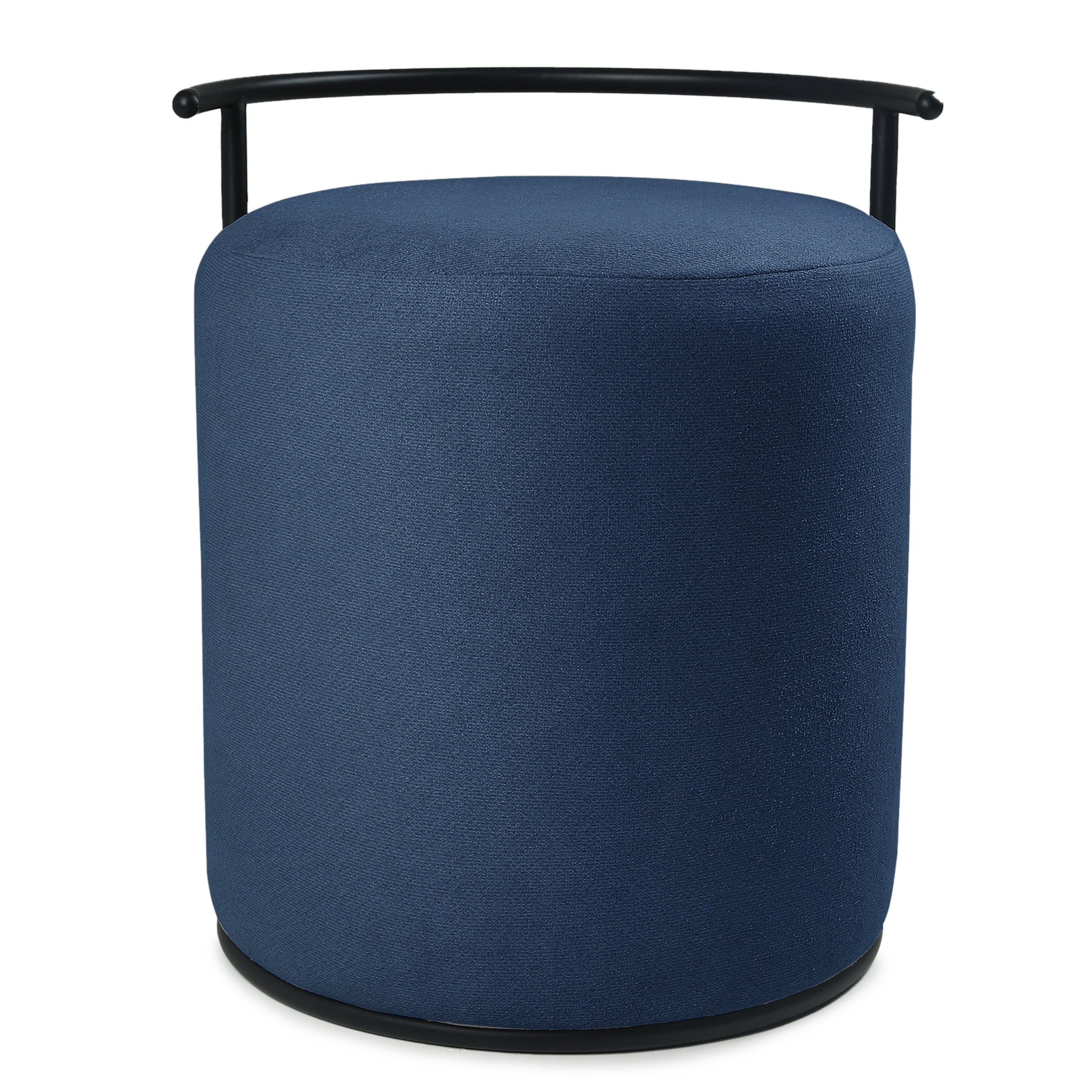
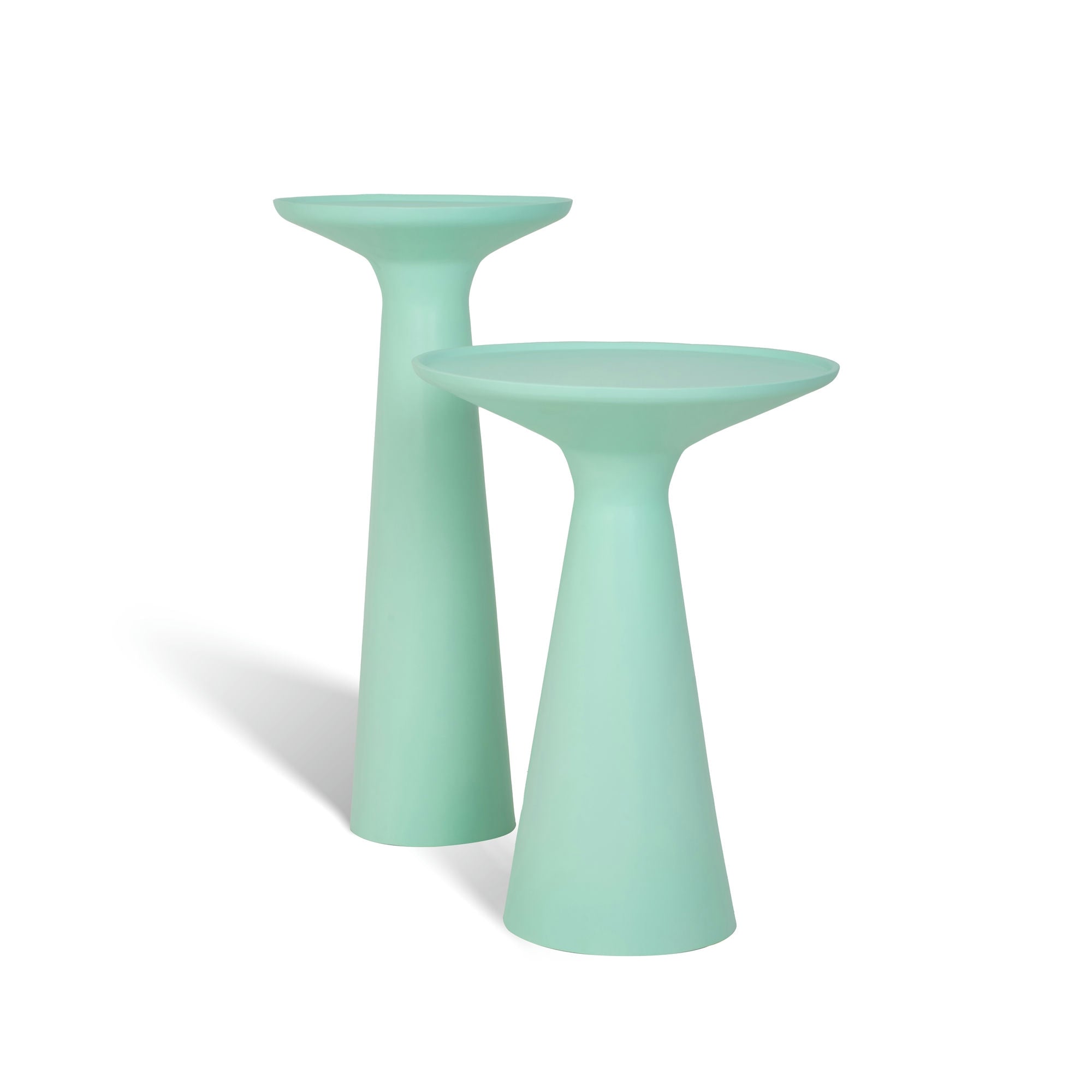
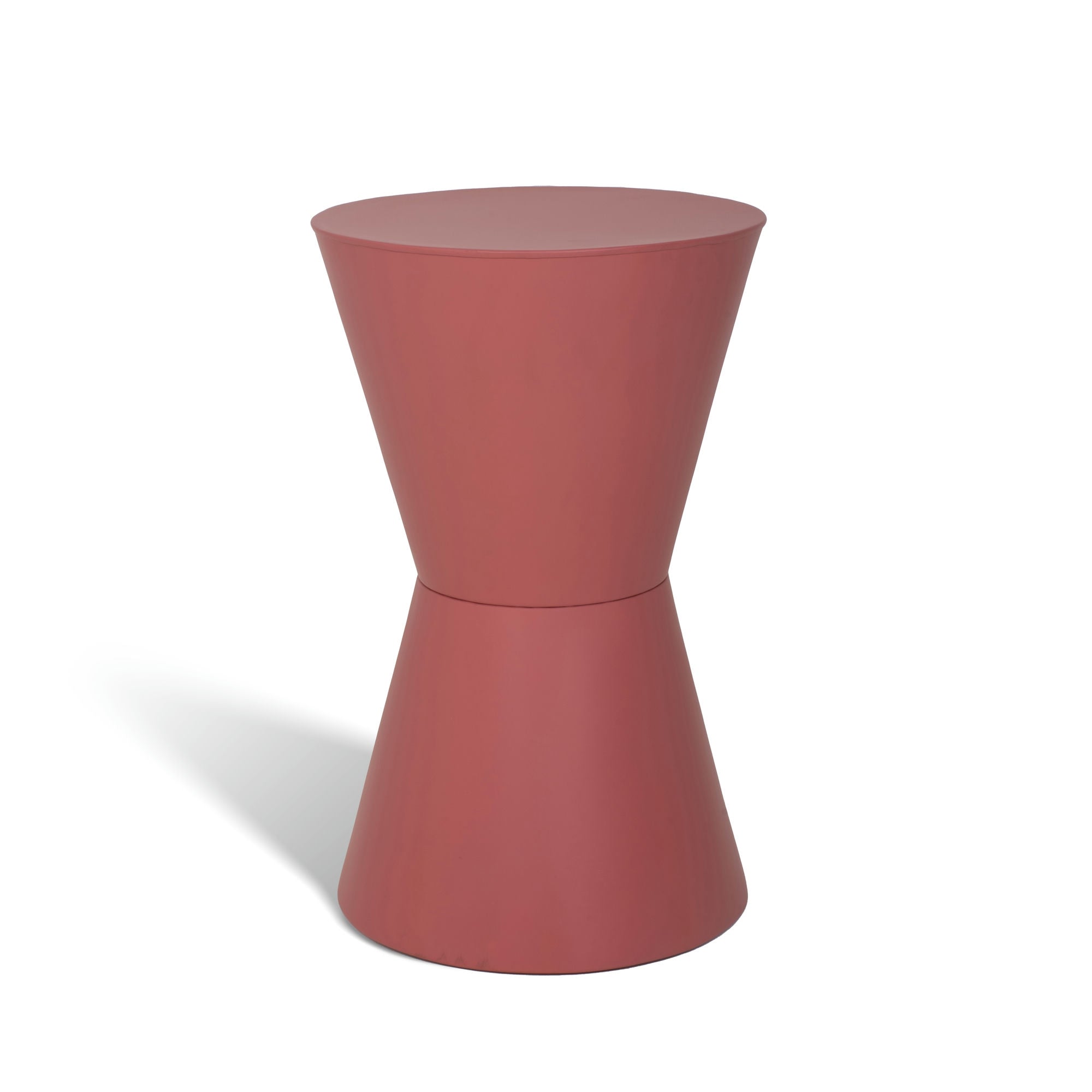
Every piece at BLCK Homes is built on a solid metal frame — not a laminate finish over compressed board. Explore our full Table collection to see the difference for yourself.