A pouffe — also written as pouf, and often searched as ottomons, puffies, or poofe — is one of the most flexible pieces you can add to a home. It's extra seating when guests visit, a footrest on a lazy evening, and a styling accent that fills empty floor space between a sofa and a wall. Yet most buyers pick one purely on color and regret it within months, once daily use reveals whether the base underneath was ever built to hold weight.
This guide covers everything worth knowing — by use case, by shape, and by build quality — whether you're searching for an ottoman chair, a round pouf, or simply trying to buy ottoman furniture online for the first time.
What to Consider Before You Buy
Three things matter more than the fabric pattern: intended use (seating vs. footrest vs. pure decor), base construction (metal frame vs. foam-only builds that flatten over time), and size relative to your room. A pouffe bought purely because it looked good in a photo often turns out too low to sit on comfortably, or too large for the corner it was meant to fill.
Ottomans and Pouffes as Extra Seating
The most common real-world use for an ottoman chair or ottoman seat is genuinely simple: a spot to sit when your sofa runs out of room. A pouf chair or sitting ottoman works especially well in smaller living rooms, since it can be pulled out for guests and tucked back against a wall the rest of the time. If you're furnishing a space that occasionally needs more seats than it has permanently, puff seats or a puff chair are a lighter, more flexible alternative to a second sofa or accent chair.
Some buyers specifically want what's searched as an ottoman couch — a larger, more substantial pouffe sized to function almost like a low, backless seat rather than a small accent stool. If you'll be sitting on it regularly rather than just resting your feet, prioritize a genuinely solid base over a purely decorative one.
Pouffes and Ottomans for the Living Room
In most living rooms, poufs and ottomans serve double duty — footrest by day, extra seat by evening. Something described as puffy for living room use generally means a softer, more cushioned top than a firmer stool-style ottoman, prioritizing comfort for feet resting after a long day over structured seating. Browsing ottoman furniture broadly, you'll find the category spans everything from small accent stools to larger, sofa-adjacent pieces — the right one depends entirely on whether you need it to look good, hold weight, or both.
Round Ottomans and Pouffes
Shape affects a pouffe more than most other furniture, since it's low to the ground and often the first thing a foot or a knee bumps into. A round ottoman or round pouf is the safer choice in a walkway or high-traffic corner, since there's no sharp edge to catch on. A round ottoman stool specifically suits a firmer, more upright seating style, while a round puff chair generally implies a softer, more cushioned build meant for lounging rather than perching.
Ottomans for the Bedroom
A bedroom ottoman serves a slightly different purpose than a living room piece — usually placed at the foot of the bed as a spot to sit while putting on shoes, or simply as a soft visual anchor in an otherwise furniture-light room. Since bedroom floor space is often tighter, a small ottoman is the more practical choice here than a large living-room-scale piece.
Ottomans With a Backrest
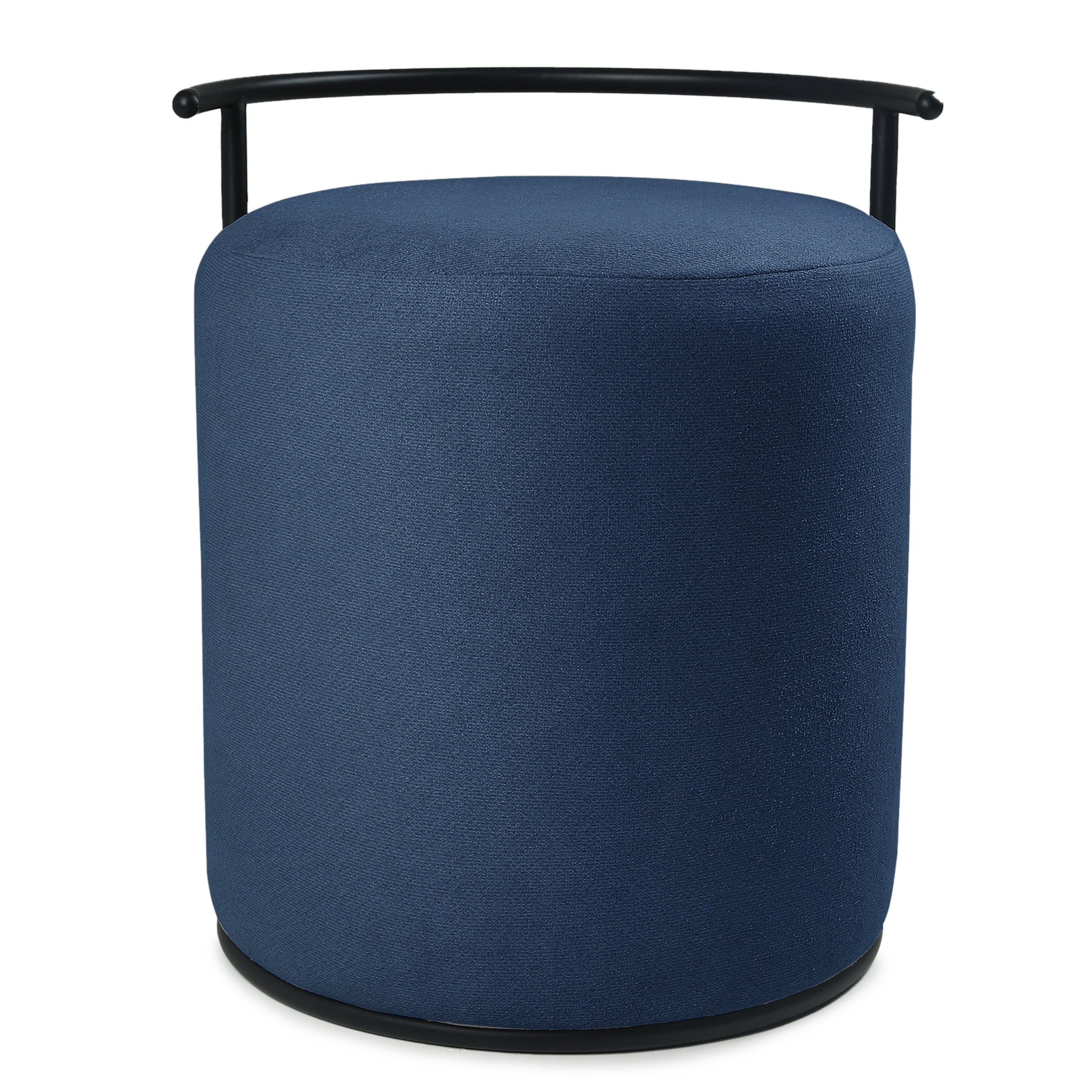
Most pouffes are backless by design, but an ottoman with backrest is worth considering if you want something closer to an actual chair — comfortable enough to sit in for longer stretches, not just perch on briefly. These tend to work best as a genuine seating solution in a reading corner, rather than purely as a footrest.
Choosing a Finish
Neutral tones dominate pouffe searches for good reason — a beige ottoman pairs easily with almost any existing sofa or rug, and hides everyday wear better than very light or very dark solid colors. If you're unsure what else in the room might change later, a neutral is the lowest-risk choice.
What to Check Before You Buy an Ottoman Online
Buying ottoman online means you can't test the seating firmness or base stability in person, so it's worth checking three things before you buy ottoman furniture on a screen: the base material (metal frame vs. all-foam), the weight capacity if it's meant for regular sitting, and genuine customer photos rather than studio shots alone, which can hide how a fabric actually wears.
Why the Base Underneath Matters More Than the Fabric
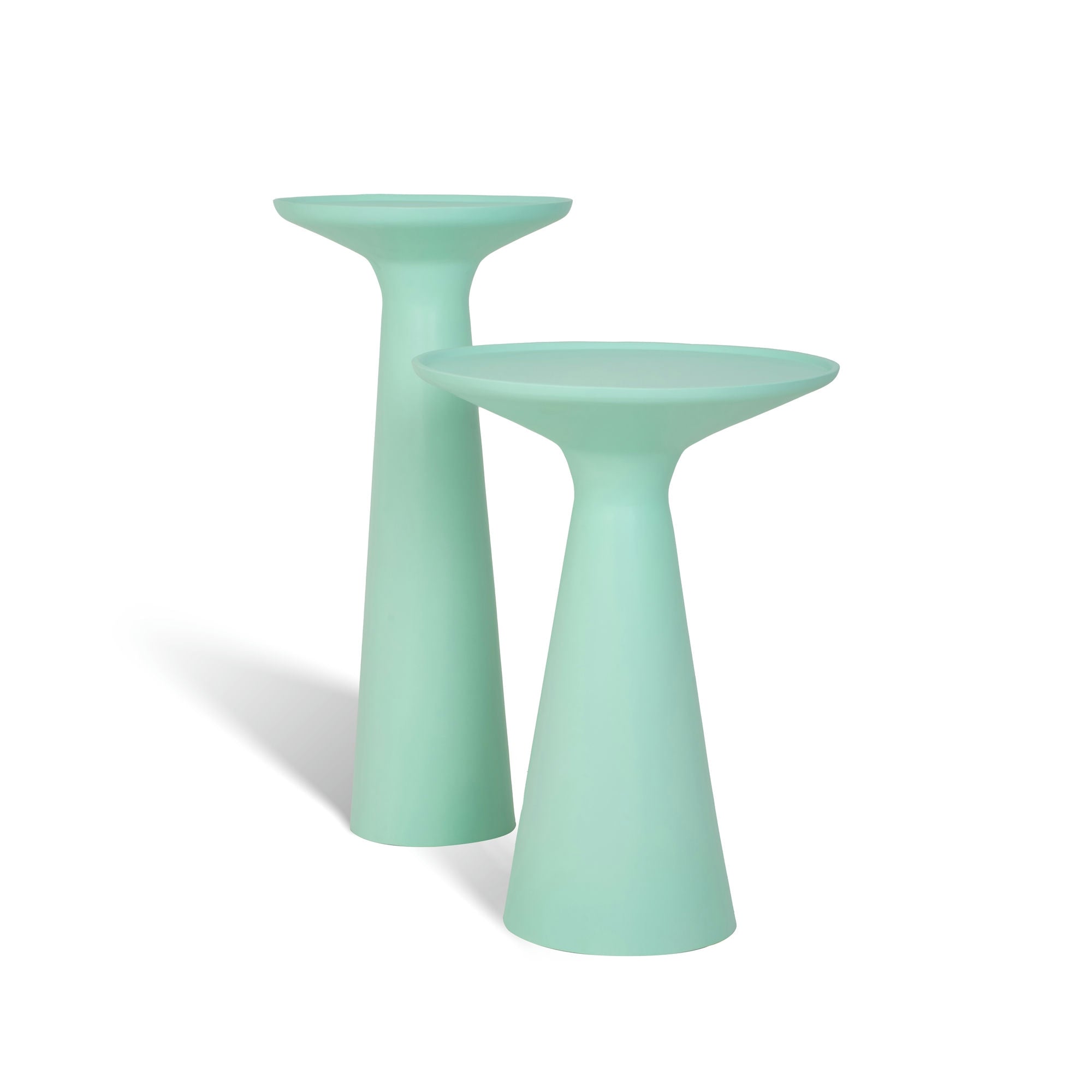
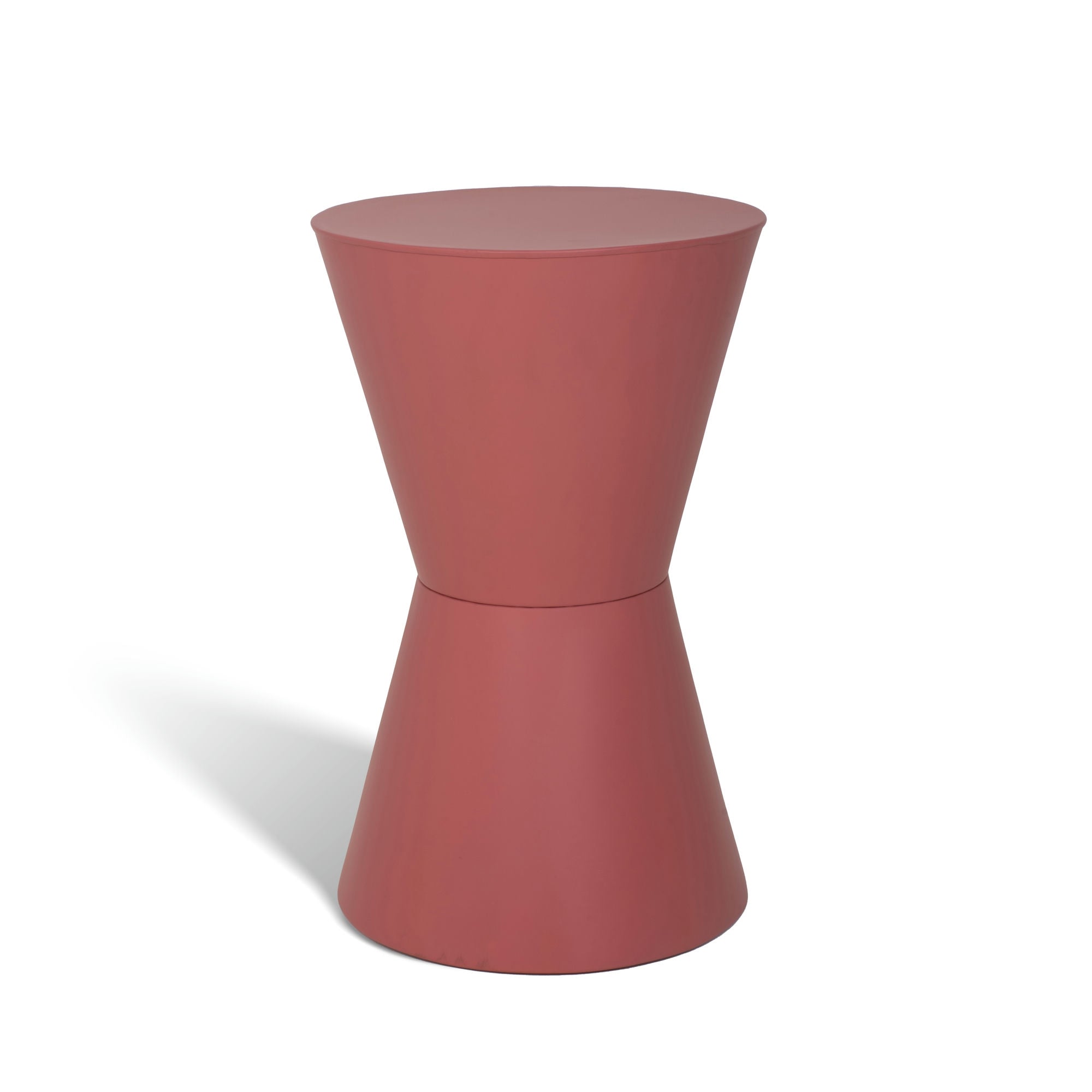
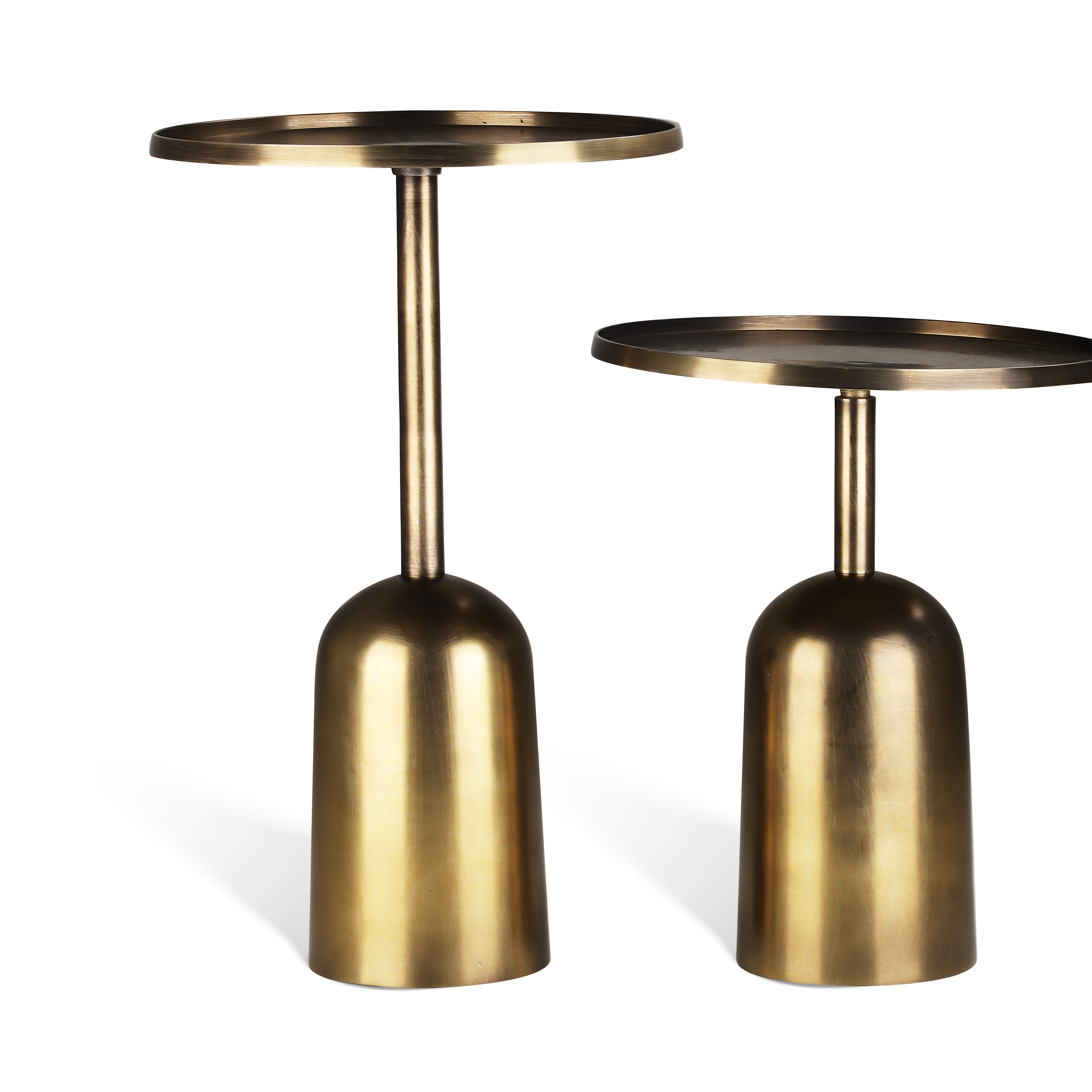
At BLCK Homes, every pouffe is built on a solid metal base, not a foam block or a flimsy frame hidden under fabric. This is the difference between a pouffe that holds its shape and weight capacity for years, and one that visibly sags or leans within months of regular use. The fabric on top is what you see first, but the base is what actually determines whether the piece survives being sat on daily.
Frequently Asked Questions
What's the difference between a pouffe and an ottoman?
In everyday use, the terms are interchangeable — both describe a low, cushioned piece used for seating or as a footrest. "Ottoman" is more common in Western furniture terminology, while "pouffe" or "pouf" is used more broadly across India and the UK.
Can an ottoman be used as regular seating, not just a footrest?
Yes, provided it has a genuinely solid base — a metal-framed ottoman can support regular sitting weight, while all-foam builds are better suited to occasional footrest use only.
What size ottoman works best for a small living room?
A small to medium round ottoman, roughly 40-45cm in diameter, generally fits smaller rooms without overwhelming the space while still being large enough for genuine footrest or extra-seat use.
Are fabric ottomans hard to keep clean?
Most fabric pouffes handle regular use well with occasional spot cleaning; darker or patterned fabrics tend to show less everyday wear than solid light colors.
Explore our full range of Poufs and Ottomans, or shop furniture under ₹10,000 if you're working with a tighter budget. Every BLCK Homes piece ships free across India, with Cash on Delivery available.